
.jpg)
A camp choice shapes far more than the end of the day. It affects the gate you can sensibly use, the roads you can explore without rushing and how often you need to pack the vehicle again. Begin with the part of Kruger you want to understand, then compare the accommodation that supports that visit.
SANParks separates main rest camps, bushveld camps and other accommodation categories. Those categories are useful orientation, but they do not replace the information for the particular unit or campsite you are booking. Read the current accommodation description and booking conditions rather than assuming every camp offers the same facilities.
Compare settings, not rankings
| Camp reference | Landscape context | Useful question |
|---|---|---|
| Skukuza | Southern park and Sabie River setting | Which arrival gate and local day routes suit this booking? |
| Satara | Central savannah context | How much time do you want to spend in the surrounding area? |
| Letaba | Riverine camp in a wider mopane landscape | Does this fit your north–south travel plan? |
These are contextual differences, not promises about wildlife, quietness or available services. A remembered favourite from another person’s trip may suit a different season, budget or route from yours. Current SANParks camp pages and your actual reservation remain the practical references.
One base or a move?
Staying longer in one camp can make repeated local outings easier. Moving camps can introduce a different part of the park, but the transfer itself becomes a substantial part of that day. Compare these choices on an official map before adding another stop simply because it appears close on a small screen.
Write down the gate, camp, arrival date and booked accommodation type together. Then check the permitted travel window and leave room for delays. A plan that depends on driving directly at the maximum permitted speed offers little flexibility for animals on the road, roadworks or a slower arrival process.
Read the fine detail once
- Confirm the exact accommodation or camping unit and its listed equipment.
- Check what your reservation includes and what is paid separately.
- Match accessible facilities and vehicle requirements to your own needs.
- Read current camp notices, gate information and arrival instructions.
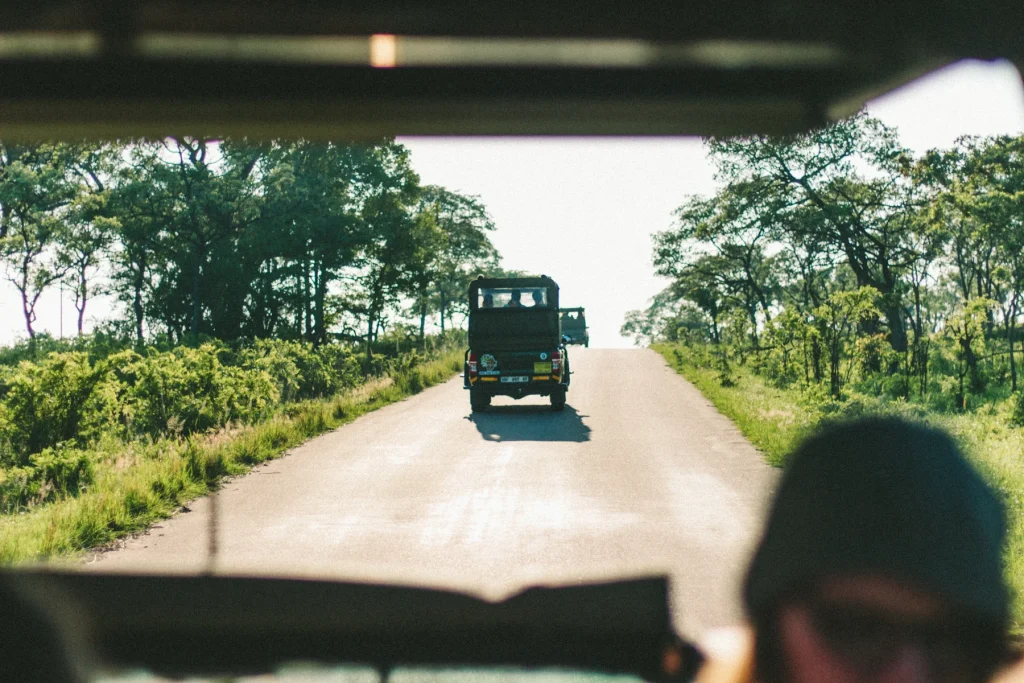
Photographs on this guide illustrate the park and its landscapes. They do not certify a current room, campsite condition or view from a particular unit. Keep the provider’s current details beside your booking confirmation.
Next, build a realistic self-drive day. If comparing an organized activity, use its named meeting point and route rather than the word “Kruger” alone.
Camp references: SANParks camps, Skukuza, Satara and Letaba.

Full-Day Shared Kruger National Park Safari from Hoedspruit
Our highly qualified guide will collect and drop you off from any hotel or address in Hoedspruit, our guides take pride in offering the best personal...

Kruger National Park - Full Day Safari
We offer qualified guides with a passion for wildlife. Bottled water for the hot summers days and blankets and ponch...

Remarkable Big 5 Sunrise Safari in Hoedspruit
Begin your day with an extraordinary adventure on our sunrise game drives in the exclusive private game reserve of H...